Ketan Mehta
- Role
- Filmmaker
- Works in
- Gujarati, Hindi
- Born
- 21 July 1952Navsari
- On Art House Cinema
- 1 film ↓
Ketan Mehta on Art House Cinema
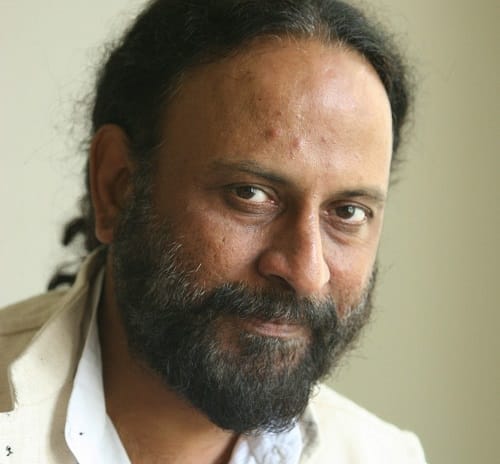
Ketan Mehta is a Hindi and Gujarati director whose films run from a folk-theatre fable about caste to a studio epic on the uprising of 1857. He was born on 21 July 1952 in Navsari, then in Bombay State and now in Gujarat. He trained at the Film and Television Institute of India in Pune. His first feature, the Gujarati Bhavni Bhavai, came out in 1980, and Mirch Masala followed in 1987.
He has won National Film Awards as a director four times. Bhavni Bhavai and Sardar (1993) each won the Nargis Dutt Award for Best Feature Film on National Integration. Mirch Masala was named Best Feature Film in Hindi, and Maya Memsaab brought him a share of the Special Jury Award. With his wife, the actor Deepa Sahi, he set up Maya Entertainment, which trained animators and effects artists.
In February 2026 Sanjay Leela Bhansali announced Jai Somnath, a drama about Mahmud of Ghazni's raid on the Somnath temple in 1025 and 1026. Mehta is writing and directing it for a 2027 release.
Life and Early Work
Mehta's aunt was the Gandhian Usha Mehta. In 1942 she ran Congress Radio, a secret station of the Quit India movement.
He went to school at Sardar Patel Vidyalaya in Delhi and then studied film direction at the institute in Pune, after which he joined the Indian Space Research Organisation as a television producer. He has said the post gave him almost total freedom over what he made. His working life in film and television dates from 1975.
His first feature came out of bhavai, the travelling folk theatre of Gujarat. He adapted a play by the Gujarati writer Dhiruben Patel, who also wrote the lyrics for the film's songs. The Sanchar Film Cooperative Society produced it with money from the National Film Development Corporation. The budget was Rs 3.5 lakh, and most of the leading actors are reported to have worked without pay.
Filmmaking
Bhavni Bhavai opens on a group of Harijan migrants. An old man calms the children with a story about a childless king, played by Naseeruddin Shah, whose heir is set adrift and raised by a sweeper family as Jeevo (Mohan Gokhale). When a drought calls for a stepwell and a sacrifice, Jeevo offers himself in exchange for an end to untouchability. Mehta then offers a second, harsher ending. The film is dedicated to Bertolt Brecht. Meera Lakhia won the National Film Award for art direction, and the film played in competition at the Festival des 3 Continents in Nantes in 1981.
He followed it with Holi (1984), adapted from a play by the Marathi writer Mahesh Elkunchwar. Students at a college hostel turn on their principal after a dispute over a holiday. Mehta shot it mostly at the Pune institute and at Fergusson College, in long hand-held takes. The cast included Aamir Khan, credited as Aamir Hussain, and Ashutosh Gowariker. Jehangir Choudhary won the National Film Award for cinematography.
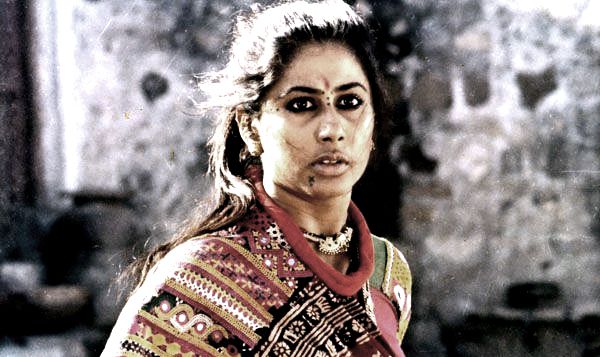
Mirch Masala is set in a village in the early 1940s. Sonbai, played by Smita Patil, refuses the advances of the local tax collector, the subedar (Naseeruddin Shah), and hides in a spice factory. Its old watchman, Abu Mian (Om Puri), will not open the gate. At the 34th National Film Awards it won Best Feature Film in Hindi, Best Supporting Actor for Suresh Oberoi and Best Editing for Sanjiv Shah. It reached cinemas on 13 February 1987, two months after Patil died, and competed at the Moscow International Film Festival that year.
On television, Mr. Yogi (1988 to 1989) followed Mohan Gokhale as an American-settled Indian looking for a bride. Hero Hiralal (1988) cast Naseeruddin Shah as a Hyderabad auto-rickshaw driver.
In 1993 Mehta released two very different films. Sardar, from a script by Vijay Tendulkar, has Paresh Rawal as Vallabhbhai Patel and Annu Kapoor as Gandhi, and follows Patel to the merger of the princely states. Maya Memsaab loosely reworks Madame Bovary, with Deepa Sahi as Maya and Shah Rukh Khan in a supporting role. Its last scene, in which Maya drinks a potion and vanishes, failed in take after take, so the work went to effects studios in Singapore and Hong Kong. According to DQ Week in 2001, that experience led him to start Maya Entertainment.
Oh Darling! Yeh Hai India! (1995) was a musical parody in which Amrish Puri plans to sell India at auction. The science-fiction serial Captain Vyom, with Milind Soman, began on Doordarshan in 1998.
Mangal Pandey: The Rising (2005) was his largest production. Aamir Khan played the sepoy of 1857, with a screenplay by Farrukh Dhondy and music by A. R. Rahman. It was shown in the market at Cannes and opened on 12 August 2005. Leaders of the BJP and the Samajwadi Party demanded a ban, and there were protests in Ballia, Pandey's home district.
Rang Rasiya, on the painter Raja Ravi Varma, starred Randeep Hooda and Nandana Sen. It screened at the London Film Festival in November 2008, but the Central Board of Film Certification objected to a nude scene, and the film did not open in India until 7 November 2014. A member of Varma's family sued as well. The film opened with a disclaimer.
Manjhi: The Mountain Man (2015) starred Nawazuddin Siddiqui as Dashrath Manjhi, the labourer from Gehlaur near Gaya who spent 22 years cutting a path through a hill with a hammer and chisel. Deepa Sahi co-produced it and played Indira Gandhi. On the last day of shooting a rival claimed exclusive rights to Manjhi's story, and the case went to the High Court before the film could open. "I think I'm a child of controversy," Mehta said at the trailer launch.
His adaptation of Saadat Hasan Manto's Toba Tek Singh, with Pankaj Kapur, was released on ZEE5 on 24 August 2018. In May 2022 he announced Freedom Radio, a film about his aunt, with Anubhav Sinha producing. It was shelved after another studio announced a film on the same story.
The Cinema of Ketan Mehta
Mehta has no fixed style, and he has moved from student crews and cooperative money to Yash Raj Films and Viacom18. What carries over is a set of subjects.
Key Themes
Defiance from below. His heroes are usually the people with least power in the story. Jeevo bargains his life against untouchability in Bhavni Bhavai, and Sonbai holds out behind a factory gate in Mirch Masala. In Manjhi, a landless labourer takes on a hill.
Folk form on screen. Bhavni Bhavai keeps the bhavai frame: a narrator, songs, comic players and an ending that can be swapped. He works loosely on set too, and when a banyan tree fell on the Fergusson campus during Holi, he wrote a song to be filmed on it.
Women and desire. Sonbai's refusal sets Mirch Masala in motion. In Maya Memsaab a woman's affairs and debts end in an inquiry into her death. Rang Rasiya gives Nandana Sen's Sugandha, the woman Varma loves, as much weight as the painter.
History as argument. Sardar, Mangal Pandey and Jai Somnath all take up disputed national history. The 2005 film drew calls for a ban.
The artist and the censor. Rang Rasiya is about a painter whose pictures of the gods reached ordinary homes. Its own nude scene then kept it out of Indian cinemas for six years.
Selected Filmography
Bhavni Bhavai (1980)
A Gujarati bhavai fable about a king, a drought and the end of untouchability, with two endings, which won the Nargis Dutt Award and competed at Nantes.
Holi (1984)
A hostel revolt shot on the Pune campuses in long hand-held takes. Aamir Khan is in the cast, credited as Aamir Hussain.
Mirch Masala (1987)
Smita Patil as a village woman who will not give in to a tax collector, in a film that won three National Film Awards.
Sardar (1993)
A biography of Vallabhbhai Patel scripted by Vijay Tendulkar, with Paresh Rawal in the lead. It won the award for Best Feature Film on National Integration.
Maya Memsaab (1993)
A loose Madame Bovary with Deepa Sahi, Farooq Shaikh and Shah Rukh Khan. It earned Mehta a share of the National Film Awards' Special Jury Award.
Mangal Pandey: The Rising (2005)
Aamir Khan as the sepoy of 1857, with music by A. R. Rahman, in a film that drew protests and calls for a ban.
Rang Rasiya (2014)
Randeep Hooda as Raja Ravi Varma, in an adaptation of Ranjit Desai's novel that was finished by 2008 and then held back by the censors for six years.
Manjhi: The Mountain Man (2015)
Nawazuddin Siddiqui as the Bihar labourer who cut a road through a hill by hand. Bihar made it tax-free before release.
Legacy
Mehta built much of his work around a group of actors. Naseeruddin Shah and Om Puri were in Bhavni Bhavai, Holi and Mirch Masala, while Paresh Rawal moved from a villager in Mirch Masala to the lead in Sardar. Deepa Sahi acted in five of his films and produced Mangal Pandey and Manjhi. Aamir Khan came back from Holi to star in Mangal Pandey. Ashutosh Gowariker, also in the Holi cast, became a director.
His second legacy is technical. In December 2001 Maya Entertainment opened its Academy of Advanced Cinematics in Delhi, adding to centres in Punjab and Mumbai, to train animators and effects artists.
Mehta's films have often arrived late or under protest. Mirch Masala opened after its star had died, and Rang Rasiya waited six years. Manjhi reached cinemas only after a court case. More than 50 years after he started, he is preparing Jai Somnath, another story about history and power in Gujarat.
Ketan Mehta on Art House Cinema